7 Risks of Using Non-Commercial Tow Trucks for Industrial Equipment
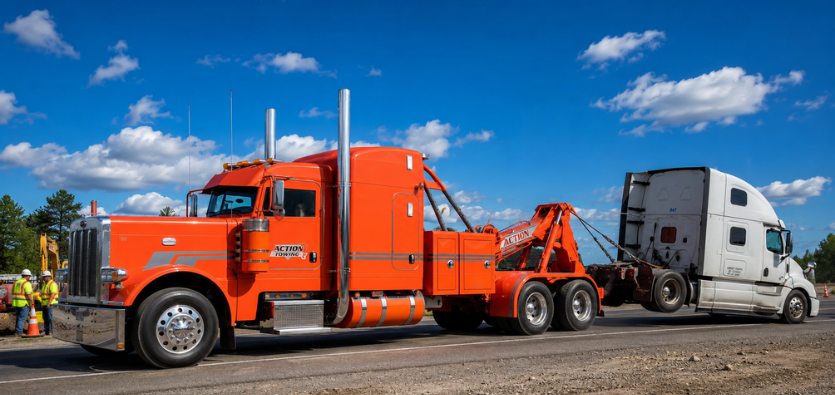
Industrial equipment breakdowns rarely happen at convenient times. A stalled excavator or disabled loader can stop an entire jobsite. Many businesses assume any tow truck can handle recovery. That assumption often creates safety risks, costly damage, and project delays.
Industrial machinery requires specialized handling, trained operators, and heavy-capacity equipment. Businesses looking for professional heavy-duty towing services in Edmonton often do so after problems appear. Choosing the right partner earlier protects schedules and equipment value.
Heavy equipment towing is not simply transportation. It involves permits, rigging expertise, safety planning, and regulatory compliance. The risks below explain why commercial towing expertise matters.
Why Industrial Equipment Requires Specialized Heavy Duty Towing
Industrial machines are heavier and more complex than standard vehicles. Attachments shift weight distribution. Hydraulic systems remain vulnerable during transport.
Incorrect loading angles or tie downs can damage frames or sensitive components. Alberta road regulations also apply to oversized transport operations.
The Government of Canada confirms workplace responsibility clearly. It states that every employer shall ensure that the health and safety of every person employed by the employer is protected at work.
That responsibility extends to towing decisions made during emergencies.
Risk One: Equipment Damage Due to Improper Load Handling
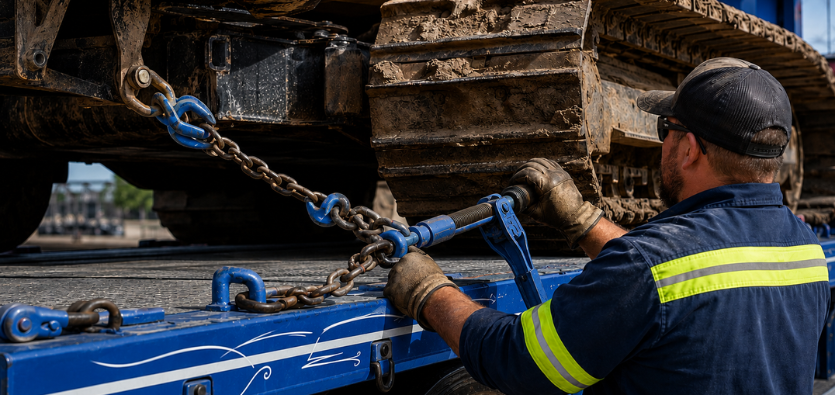
Industrial machines require precise weight balancing. Non-commercial tow trucks often lack the correct deck strength or anchoring systems.
Improper tie downs allow movement during braking or turning. Hydraulic lines and attachment mounts become vulnerable first.
Damage may not appear immediately. Structural stress can create long-term mechanical problems later.
Businesses that rely on heavy equipment hauling solutions for construction operations reduce repair exposure and maintain equipment warranties.
Risk Two: Workplace Safety Hazards During Recovery Operations
Recovery rarely happens in controlled environments. Construction zones remain active. Traffic may continue moving nearby.
Untrained operators may position cables incorrectly or underestimate ground stability. Equipment rollovers can occur during winching.
National Safety Code for Motor Carriers emphasizes safe load practices. It states that cargo must be contained, immobilized or secured so that it cannot leak, spill, blow off, fall from, fall through or otherwise be dislodged from the vehicle.
Commercial towing teams plan recovery before touching the equipment. That planning protects workers and nearby drivers.
Risk Three: Project Delays and Contract Penalties
Idle equipment means idle crews. Labour costs continue even when machines stop working.
Construction contracts often include deadline penalties. Logistics hubs face shipment backlogs when loaders or forklifts fail.
Non-commercial towing providers may require multiple attempts or subcontract additional equipment. Every delay increases operational loss.
Businesses working with commercial fleet recovery support for Edmonton contractors often restore operations more quickly because the necessary equipment arrives promptly.
Risk Four: Insurance and Liability Exposure
Insurance coverage varies widely between towing providers. Smaller operators may not carry sufficient commercial liability protection.
Damage disputes become complicated when responsibility remains unclear. Businesses may face repair costs or claims for project interruption.
Employers are responsible for ensuring that the workplace is safe and that hazards are identified and controlled.
Commercial towing companies understand documentation, inspection procedures, and incident reporting requirements.
Risk Five: Inadequate Equipment Capacity
Industrial machinery exceeds the capacity of many standard tow trucks. Axle ratings, braking systems, and hydraulic lifting power all matter.
Attempting recovery with undersized equipment risks structural failure. Tow truck damage can also create additional hazards on site.
Heavy-duty tow trucks distribute weight across reinforced decks and multiple axles. Operators calculate load balance before movement begins.
That preparation prevents sudden shifts that damage equipment or surrounding infrastructure.
Risk Six: Regulatory Violations During Transport
Oversized equipment often requires permits or escort vehicles. Height restrictions and bridge weight limits must be considered.
Non-commercial operators may overlook regulatory requirements during urgent situations.
Penalties or roadside enforcement delays can stop transport completely.
Professional commercial towing teams coordinate routing and compliance before leaving the site. Businesses avoid fines and unexpected downtime.
Risk Seven: Limited Emergency Response Capability
Industrial breakdowns often occur after hours or in remote areas. Oilfield roads, rural highways, and winter conditions increase difficulty.
Small operators may lack additional trucks or specialized recovery gear.
Commercial towing fleets deploy multiple units when required. That capability allows faster recovery during complex situations.
Businesses relying on scheduled towing partnerships maintain continuity during peak production periods.
When Businesses Should Call Commercial Heavy Duty Towing Instead
Many operators hesitate before calling specialized towing. They hope temporary fixes will work. Delays often increase repair costs and safety risks.
Consider commercial heavy-duty towing when:
- Excavators or loaders become immobilized on active construction sites.
- Semi trucks lose power or experience mechanical failure on highways.
- Equipment becomes stuck in mud, snow, or unstable ground conditions.
- Machinery transport requires long-distance relocation between projects.
- Overturned vehicles or tipped trailers require controlled recovery.
- Heavy equipment blocks access roads or loading zones.
- Construction machinery must be moved during emergency shutdowns.
- Fleet vehicles break down during peak delivery schedules.
- Equipment requires load transfer after cargo shifts or trailer damage.
- Oversized machinery needs permit-compliant transport planning.
Experienced teams assess risk quickly and determine the safest recovery approach.
How Professional Commercial Towing Protects Industrial Operations
Commercial towing focuses on prevention as much as recovery. Experienced operators communicate with site supervisors before arrival.
Planning includes access routes, traffic flow, and ground stability checks.
Fleet partnerships also allow scheduled transport support. Equipment moves safely between projects without operational disruption.
Industrial towing becomes part of risk management rather than emergency reaction.
Conclusion
Industrial equipment recovery involves more than moving machinery. Safety planning, regulatory compliance, and load engineering determine success.
Using non-commercial tow trucks introduces risks that extend beyond repair costs. Businesses may face downtime, liability exposure, and contract penalties.
Commercial heavy-duty towing protects equipment value while keeping projects moving forward. The right decision before a breakdown often prevents larger problems later.
About Us
Action Towing supports commercial clients across Edmonton with specialized heavy-duty recovery and equipment transport solutions. The team understands construction timelines, fleet reliability, and industrial safety expectations.
Experience across logistics hubs, infrastructure projects, and remote operations allows coordinated responses during complex breakdowns.
Businesses looking for dependable assistance can contact us to discuss recovery planning or emergency support needs.