Know What to Do After a Tire Blowout Before It Becomes More Dangerous
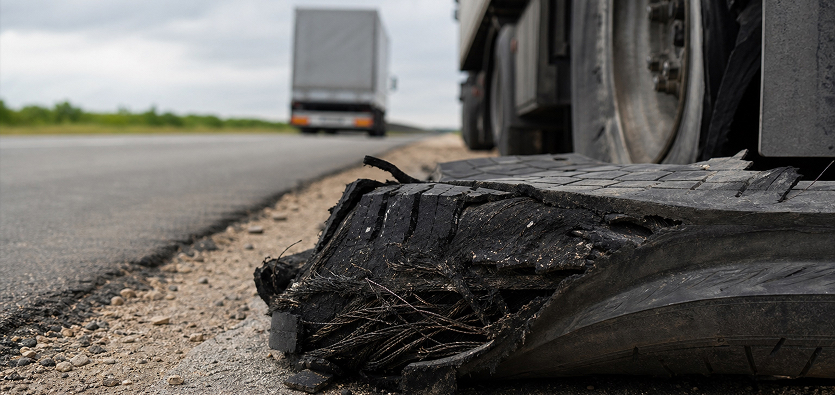
If you’re searching for answers after experiencing a tire blowout, understanding what to do next can help you stay calm, protect your passengers, and reduce the risk of making the situation worse. If your vehicle cannot be driven safely, our Roadside Assistance service is available to help you get moving again.
Most drivers never expect to deal with a tire blowout until it happens to them. That is exactly why preparation matters. This article explains what a tire blowout is, what commonly causes it, the safest steps to take immediately afterward, and how to recognize when continuing to drive could create more damage than the original failure.
What Is a Tire Blowout?
A tire blowout is the sudden failure of a tire that causes it to lose air pressure almost instantly. Unlike a slow leak, a blowout changes how the vehicle responds within seconds, making steering more difficult and reducing stability. The faster you are travelling, the more noticeable that loss of control can become.
Many people describe a blowout as “just a flat tire,” but they feel very different behind the wheel. The noise is louder, the vehicle often pulls to one side, and your first reaction is usually driven by surprise rather than experience. We’ve seen drivers recover safely simply because they stayed calm, and we’ve also seen relatively minor tire failures turn into much larger incidents because panic took over during those first few moments.
What Should You Do Immediately After a Tire Blowout?
The safest response is to stay calm, keep the vehicle under control, and move to a safe location without making sudden steering or braking movements. Your goal is not to stop as quickly as possible. Your goal is to maintain control until you can pull over safely.
The following steps will help you respond more confidently:
- Keep both hands firmly on the steering wheel.
- Ease off the accelerator instead of braking suddenly.
- Allow the vehicle to slow gradually.
- Signal before moving toward the shoulder when it is safe.
- Turn on your hazard lights after stopping.
- Stay inside the vehicle if exiting would place you near moving traffic.
Those first few seconds can feel much longer than they really are. The instinct to react quickly is completely understandable, but drivers who avoid sudden movements often give themselves the best chance of bringing the vehicle to a controlled stop without creating another emergency.
What Causes a Tire Blowout?
Many tire blowouts develop from issues such as low pressure, wear, overloading, or unnoticed damage, although sudden road hazards can also cause tire failure. Small problems such as low tire pressure, worn tread, or unnoticed damage gradually weaken the tire until normal driving conditions become more than it can handle. By the time the tire fails, the real problem has often been developing for days or even weeks.
| Common Cause | Why It Increases Blowout Risk |
| Underinflated tires | Creates excessive heat that weakens the tire over time. |
| Worn tread | Reduces the tire’s ability to grip the road and handle stress. |
| Road hazards | Potholes and debris can damage the tire internally, even when the damage is not immediately visible. |
| Overloaded vehicles | Places additional strain on the tires, especially during longer trips. |
| Poor maintenance | Allows small problems to grow into larger safety risks. |
According to Transport Canada, maintaining proper tire pressure and regularly inspecting your tires are among the simplest ways to improve vehicle safety and reduce tire-related incidents. Many blowouts are not completely unpredictable. They often leave warning signs long before the tire finally fails.
Can You Keep Driving After a Tire Blowout?
You should not continue driving any farther than necessary after a tire blowout. The safest decision is to slow down and pull over as soon as you can do so safely. A tire blowout may damage more than the tire itself, and continuing to drive could affect the wheel, suspension, or steering components. What feels like an attempt to reach the next exit can sometimes turn a manageable repair into a much more expensive one.
We’ve responded to vehicles where the original blowout wasn’t the biggest problem anymore. Driving only a short additional distance had already damaged the rim or created avoidable mechanical issues. Knowing when to stop is just as important as knowing how to control the vehicle during the blowout itself.
When Should You Call for Roadside Assistance or Towing?
You should call for roadside assistance or towing when the vehicle cannot be driven safely after a tire blowout. Even if the vehicle still moves, damage to the wheel, tire, or suspension may make continuing your journey a risky decision. A professional assessment helps prevent further damage and keeps you from turning a roadside problem into a much larger repair.
Some situations clearly require professional assistance:
| Situation | Best Option |
| Tire completely destroyed | Roadside assistance or towing |
| Rim is damaged or bent | Towing |
| Vehicle pulls heavily to one side | Towing |
| Multiple tires damaged | Towing |
| Safe spare tire available, no additional damage | Roadside assistance |
| Blowout on a busy highway with limited shoulder space | Professional assistance immediately |
One thing we’ve learned over the years is that drivers often focus on the tire because it is the most obvious problem. The real concern is whether something else was damaged when the tire failed. Taking a few extra minutes to have the situation assessed can often prevent a far more expensive repair later.
How Can You Reduce the Risk of a Tire Blowout?
Regular tire maintenance remains one of the most effective ways to reduce the likelihood of a tire blowout. Most blowouts don’t happen without warning. Small issues usually develop gradually, giving drivers opportunities to correct them before they become roadside emergencies.
Simple habits make a meaningful difference. Check your tire pressure regularly, inspect your tread for uneven wear, look for cracks or bulges, and avoid overloading your vehicle beyond the manufacturer’s recommended limits. According to Transport Canada, properly maintained tires improve vehicle safety, handling, and braking performance while helping reduce tire-related failures on Canadian roads.
What Mistakes Make a Tire Blowout More Dangerous?
A tire blowout is stressful, but the negative reaction often creates more danger than the failure itself. Staying calm gives you the best chance of keeping control and protecting everyone in the vehicle. Panic, sudden steering, or hard braking can quickly make an already difficult situation worse.
Some of the most common mistakes include:
- Braking aggressively as soon as the tire fails.
- Jerking the steering wheel toward the shoulder.
- Continuing to drive long distances on a damaged tire.
- Ignoring warning signs before the blowout occurred.
- Standing too close to moving traffic after leaving the vehicle.
These reactions are understandable because they happen instinctively. The more familiar you are with the correct response before an emergency happens, the easier it becomes to stay composed when it really matters.
Final Thoughts
A tire blowout can happen to any driver, regardless of experience or the condition of the road. While you can’t eliminate every risk, you can control how you respond. Staying calm, understanding what caused the failure, and knowing when to stop driving all help reduce the chances of a difficult situation becoming much more serious.
Preparation rarely feels important until the unexpected happens. Spending a few minutes learning the right response today can make a significant difference if you ever experience a tire blowout in the future.
About Action Towing
Action Towing has been helping drivers across Edmonton recover from roadside emergencies for years. Whether you’ve experienced a tire blowout, mechanical breakdown, collision, or another unexpected vehicle problem, our experienced team responds with the right equipment and practical solutions to help you get back on track as safely and efficiently as possible.
Contact Action Towing
If a tire blowout leaves your vehicle unsafe to drive, Action Towing is ready to help. Contact our team for dependable roadside assistance and professional towing services throughout Edmonton.