8 Risk Management Steps Used in Heavy Duty Towing in Edmonton
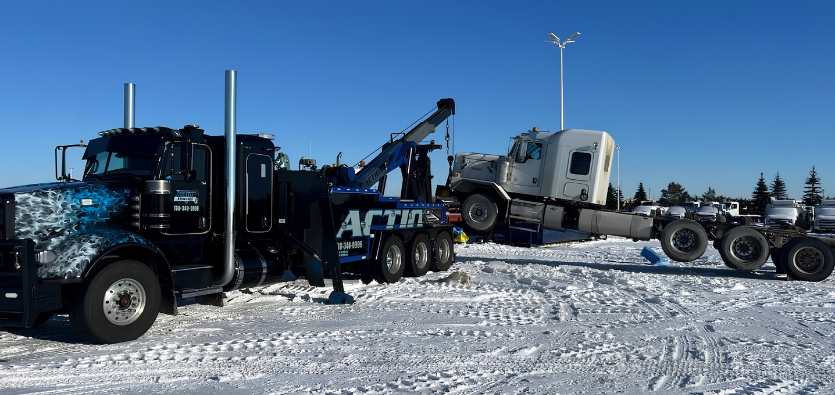
Heavy vehicle breakdowns create complex and sometimes dangerous situations. Large commercial trucks, buses, and construction equipment cannot be moved using standard towing methods. These vehicles require specialized recovery procedures and trained operators.
This is why businesses depend on heavy duty towing in Edmonton when large vehicles stop operating safely. Professional towing teams use structured recovery plans to control risks during every operation.
Heavy duty towing in Edmonton involves several hazards. Operators must manage traffic conditions, vehicle stability, equipment loads, and environmental factors. Proper risk management procedures help prevent accidents and protect everyone involved.
Companies operating commercial vehicles often rely on professional heavy-duty towing services for commercial vehicles when breakdowns interrupt transportation or construction operations. Experienced towing professionals understand how to move large vehicles safely and efficiently.
Why Risk Management Is Essential in Heavy Duty Towing
Heavy-duty towing involves far more than simply attaching a truck and pulling a vehicle away. Operators must carefully evaluate many factors before beginning recovery. Large commercial vehicles can weigh tens of thousands of kilograms.
Improper towing methods can damage vehicles, cargo, and surrounding infrastructure. Recovery mistakes can also create serious hazards for nearby drivers and recovery crews.
Professional towing teams follow structured safety procedures to control these risks. These procedures help ensure each recovery operation is completed safely.
The Canadian Centre for Occupational Health and Safety explains that hazard control means eliminating the hazard when possible or controlling the risk associated with the hazard.
Professionals of heavy duty towing in Edmonton apply these principles when planning each recovery operation.
Scene Assessment Before Recovery
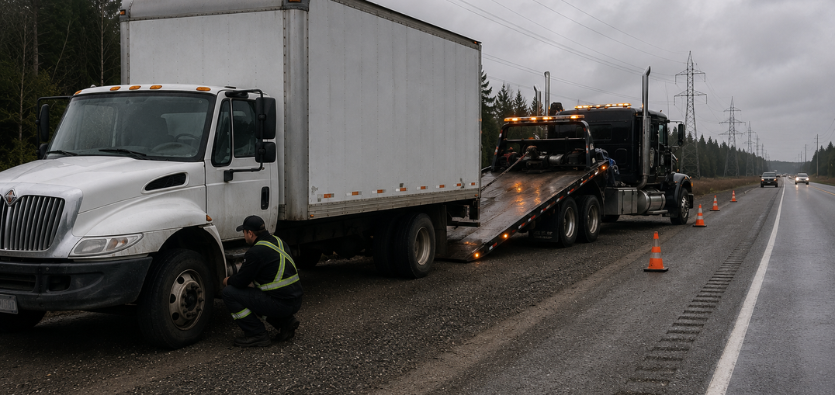
Every heavy-duty towing operation begins with a full scene assessment. Tow operators evaluate the position of the disabled vehicle and surrounding traffic conditions.
They also examine road surfaces, weather conditions, and nearby hazards. This evaluation determines the safest way to recover the vehicle.
A careful assessment helps prevent unexpected movement during the recovery process. It also ensures the correct equipment is used for the job.
Traffic Control and Safety Zone Setup
Heavy vehicle recovery often takes place on busy highways or industrial roads. Operators must protect themselves and other drivers during the towing process.
Tow crews establish safety zones around the recovery site. They use warning lights, reflective cones, and safety barriers to alert approaching traffic.
These measures create a controlled working area. Drivers approaching the scene can reduce speed and avoid the recovery zone.
The Transport Canada road safety program states that motor vehicle safety is essential for protecting road users and reducing the risk of injury and fatalities.
Traffic control plays a critical role in maintaining safe recovery conditions.
Selecting the Proper Heavy Duty Tow Truck
Different vehicles require different recovery equipment. Heavy-duty tow trucks are designed to handle extreme weight loads and complex recovery scenarios.
Operators choose the correct tow truck based on the vehicle size and recovery location. Rotator trucks, integrated tow trucks, and flatbed systems may be used depending on the situation.
Using the proper equipment prevents strain on the disabled vehicle and reduces the risk of recovery failure.
Commercial fleets often rely on heavy truck towing solutions for commercial vehicle recovery when moving large trucks, buses, or construction equipment.
Load Stabilization and Vehicle Securing
Large vehicles must be stabilized before lifting or towing begins. Operators secure the vehicle using heavy-duty chains, straps, and towing attachments.
This step prevents load shifting during recovery. Proper stabilization also protects the vehicle frame and mechanical components.
Transport trucks often carry uneven loads. Securing the vehicle carefully ensures the weight remains balanced during the towing process.
Safe Winching and Recovery Techniques
Some vehicles cannot be pulled directly onto a tow truck. They may be stuck in mud, snow, or roadside ditches.
In these situations, operators use winching systems to slowly pull the vehicle into position. Controlled winching prevents sudden movements that could damage equipment.
Tow operators carefully monitor cable tension and anchor points throughout the process. This ensures the vehicle moves in a controlled and predictable manner.
Equipment Inspection Before Operation
Before starting any heavy recovery operation, tow operators inspect their equipment carefully. Equipment inspections ensure the recovery tools can safely handle the required load.
Operators check towing cables, hooks, hydraulic systems, and attachment points. These inspections help prevent equipment failures during recovery.
Regular maintenance also improves reliability during complex towing operations. Properly maintained equipment reduces the risk of unexpected breakdowns during recovery.
Communication Between Recovery Team Members
Heavy duty towing in Edmonton often involves multiple operators working together. Clear communication helps ensure every step of the recovery process is coordinated.
Tow operators use radios or direct signals to communicate with each other. This coordination prevents mistakes and ensures safe vehicle movement.
Effective communication also allows the team to react quickly if conditions change. This flexibility improves safety during complex recovery situations.
Effective communication is essential to ensure that hazards are identified and controlled. Strong communication supports safe and efficient towing operations.
Controlled Vehicle Transport After Recovery
Once the vehicle is secured, the towing team prepares for transport. Operators verify that the vehicle remains stable and properly balanced.
Drivers then transport the vehicle carefully to its destination. They adjust speed and braking to maintain load stability during travel.
Transporting large vehicles requires skill and experience. Proper driving techniques help prevent additional damage during towing.
Why Professional Heavy Duty Towing Matters
Heavy duty towing in Edmonton requires specialized training, equipment, and planning. Commercial trucks and industrial vehicles cannot be moved using ordinary towing methods.
Professional recovery teams understand the risks involved in large vehicle towing. They follow structured procedures designed to protect drivers, vehicles, and surrounding traffic.
Businesses that rely on transportation often depend on professional towing services when breakdowns occur. Quick recovery helps reduce downtime and keep operations running smoothly.
Conclusion
Large vehicle breakdowns require careful handling and professional recovery methods. Commercial trucks and heavy equipment present unique challenges during towing operations.
The risk management steps used in heavy duty towing in Edmonton help protect drivers, operators, and surrounding traffic. From scene assessment to controlled transport, each step reduces hazards and ensures safe recovery.
Professional towing teams apply these safety procedures during every operation. Their training, equipment, and experience allow them to recover large vehicles safely and efficiently.
Understanding these procedures highlights the importance of working with experienced professionals when heavy vehicles require towing or recovery.
About Us
Action Towing provides professional towing and recovery services across Edmonton and the surrounding areas. The company has experience handling commercial vehicle breakdowns and complex heavy vehicle recovery operations.
Its trained operators use modern towing equipment designed for large trucks, buses, and construction equipment. Each recovery operation follows strict safety procedures to protect drivers and vehicles.
Drivers and businesses that require towing support can contact us for reliable roadside recovery services.