Why Heavy Duty Breakdowns Increase During Seasonal Transitions
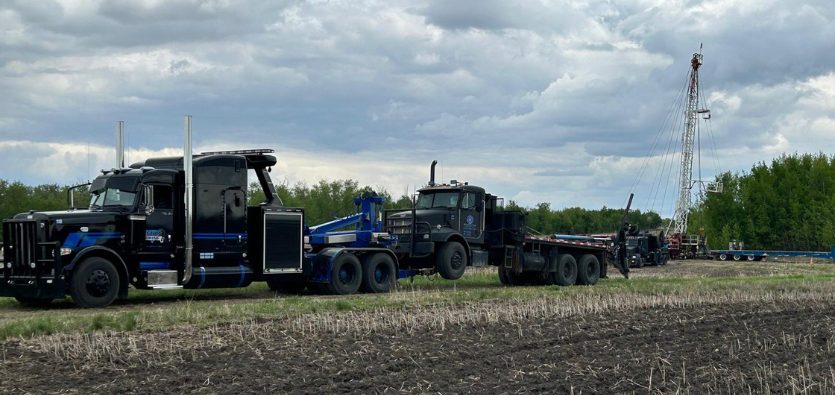
Seasonal transitions place unexpected stress on commercial vehicles and industrial equipment. In Edmonton, the shift from winter to spring often creates mechanical strain that leads to sudden failures. Businesses depend on reliable transport and machinery, yet changing temperatures and road conditions increase operational risk.
Many fleet managers plan for winter hazards. Fewer prepare for the mechanical stress that appears when temperatures fluctuate daily. Partnering with a provider of professional heavy-duty towing in Edmonton ensures commercial operations remain protected during this vulnerable period.
Temperature Fluctuations Stress Critical Components
Edmonton experiences rapid temperature swings in March and April. Overnight freezing followed by daytime thaw causes metal expansion and contraction. This repeated movement weakens seals, hoses, and gaskets.
Hydraulic systems are especially sensitive. Cold fluid thickens during winter and thins quickly in warmer conditions. Sudden viscosity changes affect pressure balance and component wear.
Engines also experience stress during transition months. Condensation builds within fuel systems. Water contamination affects combustion efficiency. Over time, this leads to stalling or a complete shutdown.
When breakdowns occur unexpectedly, access to reliable heavy-duty towing services in Edmonton becomes essential to prevent operational disruption.
Battery and Electrical Failures Rise in Early Spring
Batteries often fail after surviving winter rather than during it. Cold weather reduces battery capacity. Repeated starts in freezing conditions drain the reserve power.
When temperatures rise, weakened batteries show failure symptoms. Commercial trucks may not start at the beginning of a work shift. Electrical sensors may trigger warning lights.
Federal regulation governs vehicle safety standards in Canada. The Motor Vehicle Safety Act explains its authority clearly. It states, “The Act regulates the importation of motor vehicles and motor vehicle equipment into Canada and the manufacture of motor vehicles and motor vehicle equipment in Canada.”
National regulations reinforce the importance of vehicle compliance and safe mechanical standards. Commercial fleets must maintain safe operating conditions to remain road compliant during seasonal transition periods.
Heavy truck fleets that operate continuously face greater electrical demand. Alternators, starters, and wiring connections degrade under seasonal stress.
Access to dependable Heavy truck towing in Edmonton prevents minor electrical issues from escalating into extended downtime.
Spring Thaw Damages Road Surfaces
As frost leaves the ground, pavement weakens. Heavy commercial vehicles place significant weight on softened roadbeds. This leads to suspension damage and tire strain.
Heavy loads amplify the effect. Construction fleets and freight carriers experience uneven pavement, potholes, and surface cracking. Suspension components absorb repeated shocks. Over time, these stresses result in alignment failure and axle damage.
Mechanical breakdown often occurs days after the initial impact. Fleet managers may not immediately connect the cause to seasonal road conditions.
When axle or suspension failure occurs, professional heavy towing in Edmonton ensures safe transport to repair facilities.
Moisture Intrusion Creates Hidden Damage
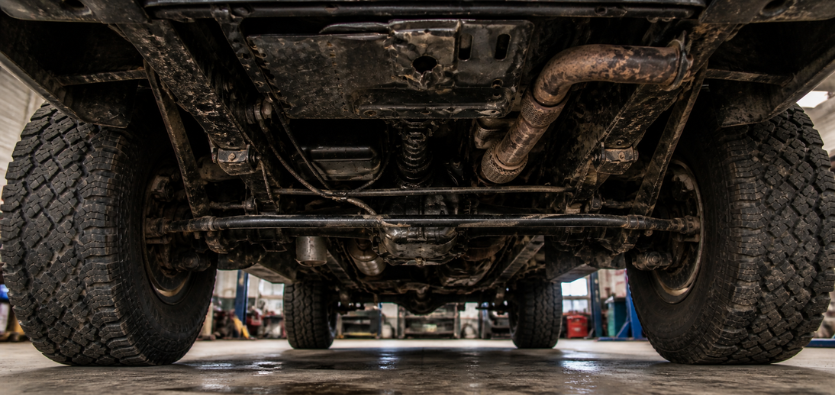
Melting snow introduces excess moisture into vehicle systems. Water enters air brake components, electrical housings, and hydraulic lines. Moisture accelerates corrosion.
Corrosion weakens fittings and fasteners. Brake systems become less responsive. Air lines may leak without visible warning.
The Canada Labour Code reinforces employer responsibility for safe operations. It states, “Every employer shall ensure that the health and safety at work of every person employed by the employer is protected.”
Heavy commercial vehicles operate under significant load pressure. Any corrosion-related weakness can trigger sudden component failure.
Rapid response from a qualified heavy-duty towing service protects drivers and surrounding traffic during such incidents.
Tire Failures Increase During Seasonal Change
Winter tires experience pressure fluctuations as temperatures rise. Air expands in warmer conditions. Overinflation affects tread wear and traction.
Commercial vehicles often travel long distances under heavy loads. Uneven wear becomes more pronounced during transition months. Tire sidewalls weaken from repeated freeze and thaw exposure.
Potholes that form during the thaw season increase the risk of blowouts. A single tire failure on a loaded semi truck creates immediate safety concerns.
Fleet managers must monitor pressure and alignment carefully. Despite proactive checks, unpredictable road hazards remain.
Reliable heavy-duty towing ensures controlled recovery when tire failure immobilizes a commercial unit on busy highways.
Increased Commercial Activity Strains Equipment
Spring marks the restart of construction projects and infrastructure work. Idle equipment returns to service after months of limited use. Freight volumes increase as economic activity rises.
Equipment that sat through winter may develop seal shrinkage or fluid separation. Hydraulic leaks appear once systems pressurize again.
Construction machinery often operates on unstable ground during early spring. Soft soil conditions increase strain on drivetrain components.
If machinery becomes immobilized on site, specialized recovery becomes necessary. In these situations, experienced providers of heavy-duty towing services in Edmonton deliver safe extraction without causing further damage.
Driver Fatigue and Operational Pressures
Seasonal transition also affects human factors. Longer daylight hours increase working time. Businesses accelerate schedules to meet spring demand.
Fatigue reduces reaction time and increases the likelihood of minor collisions. Even low-speed impacts can disable heavy commercial vehicles.
Mechanical strain combined with human factors explains why breakdowns increase during this period. Commercial operators must consider both equipment condition and operational planning.
Having a contingency arrangement with a professional provider of Heavy truck towing in Edmonton reduces uncertainty during peak activity periods.
Preventive Planning Reduces Risk
Proactive inspection remains critical. Fleets should evaluate battery performance, brake integrity, fluid condition, and suspension components before spring workload intensifies.
Maintenance schedules should adapt to seasonal changes. Increased inspection frequency during March and April helps identify early warning signs.
Businesses that integrate towing support into operational planning protect revenue continuity. A reliable commercial towing partner becomes part of the risk management strategy rather than a last resort solution.
For companies seeking dependable heavy-duty towing in Edmonton, early coordination ensures rapid response capability when seasonal stress triggers failure.
The Cost of Delayed Recovery
Every hour of downtime affects productivity. Construction delays impact project timelines. Freight interruptions disrupt supply chains.
Secondary damage may occur if immobilized equipment remains exposed. Weather, traffic, or improper roadside attempts can increase repair costs.
Professional heavy recovery teams understand load stabilization and traffic management procedures. Their role extends beyond transportation. They protect equipment value and site safety.
Businesses that rely on structured heavy recovery planning experience fewer operational setbacks during seasonal transitions.
Conclusion
Seasonal transitions create complex mechanical challenges. Temperature swings, moisture exposure, road instability, and increased activity combine to raise failure risk. Edmonton commercial fleets operate in demanding conditions that require preparation and support.
While maintenance reduces exposure, unpredictable factors remain. Strategic planning includes a reliable heavy recovery capability.
Organizations that prepare for spring conditions maintain productivity and safety standards across their operations.
About Us
Action Towing provides specialized commercial and industrial towing support across Edmonton. The company focuses on heavy equipment, fleet vehicles, and large commercial transport units. Experienced operators understand the demands of Alberta’s road and construction environments.
The team responds with properly equipped heavy units designed for commercial loads. Every recovery is handled with structured safety procedures and clear communication.
If your fleet requires dependable heavy recovery support during seasonal transitions, contact us to coordinate professional heavy-duty towing services in Edmonton.