6 Reasons Winch Out Recovery Requires Heavy Duty Equipment
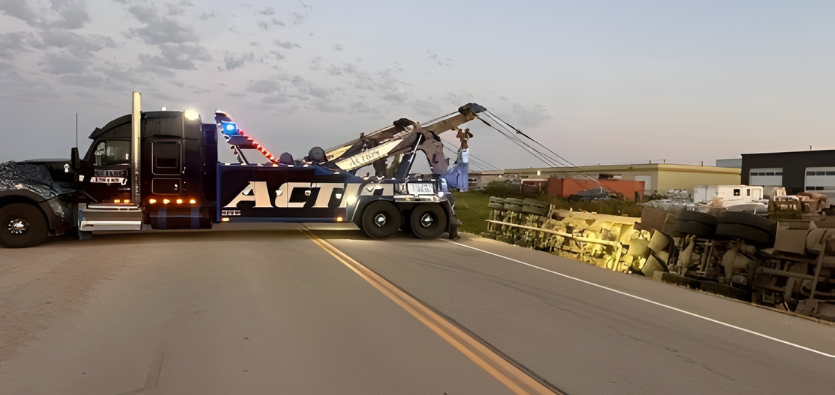
Commercial vehicle incidents rarely happen in controlled environments. Trucks slide off shoulders, equipment sinks into unstable ground, and loaded units lose traction without warning.
These situations create immediate pressure on drivers and dispatch teams. Recovery methods must be built for weight, risk, and precision when commercial vehicles are involved.
Many fleet operators plan for these scenarios by understanding professional commercial towing services in Edmonton before incidents occur. Early preparation allows teams to respond with confidence instead of urgency. It helps reduce downtime and prevents rushed recovery decisions that can increase operational disruption.
Winch-out recovery is one of the most complex commercial towing operations. It requires controlled pulling while stabilizing a disabled vehicle under challenging conditions.
This blog explains why winch-out recovery depends on heavy-duty capability in commercial environments. It also shows how proper equipment helps protect assets and maintain business continuity.
Understanding Winch Out Recovery In Commercial Towing
Winch-out recovery involves pulling a disabled vehicle from an unsafe position when it cannot move under its own power. This can include ditches, embankments, snow-packed shoulders, or uneven job sites where traction is lost. In these situations, controlled recovery becomes the only safe option.
Commercial vehicles add another layer of complexity to this process. Their size and load create significantly higher recovery forces that must be managed carefully. Improper pulling increases rollover risk and can cause serious structural damage to both the tractor and trailer.
Heavy-duty equipment allows operators to apply controlled force throughout the recovery process. This level of control protects the vehicle and the surrounding area from unnecessary stress. Precision remains critical at every recovery stage, especially when working in high-risk environments.
Commercial Vehicle Weight Exceeds Standard Recovery Limits
Commercial vehicles weigh far more than passenger vehicles, especially when fully loaded. Loaded tractor-trailers place extreme stress on recovery systems during winch-out operations. Standard winches are not built to sustain this level of continuous force.
Heavy-duty winches are designed for long-duration recovery under heavy load. They maintain steady pulling pressure without sudden strain or power loss. This consistency protects frames, axles, and attachment points from structural damage.
Weight distribution also plays a major role in recovery stability. Heavy-duty systems allow gradual repositioning while maintaining balance. This controlled approach reduces secondary damage and supports safer recovery outcomes.
Recovery Angles Require Controlled Pulling
Winch-out recovery often occurs on slopes or uneven terrain where stability is already compromised. Ditches and embankments create unstable recovery angles that increase operational risk. When pulling is done incorrectly, rollover risk rises significantly.
Heavy-duty equipment supports adjustable pull angles that allow precise vehicle positioning. Operators can align vehicles properly before movement begins. This level of control prevents sudden shifts that could destabilize the unit.
Precision pulling reduces overall recovery hazards. It protects operators, nearby traffic, and the surrounding infrastructure. Heavy-duty capability makes this level of safety and control possible.
Load Stability Must Be Maintained During Recovery
Cargo movement presents a serious risk during winch-out recovery, especially when vehicles are loaded. Load shifts can damage trailers, strain frames, or cause rollovers if not properly controlled. Improper recovery techniques increase this risk and can lead to costly operational setbacks.
Heavy-duty systems stabilize both the tractor and trailer throughout the recovery process. Controlled tension limits sudden movement and reduces stress on connection points. This protection preserves cargo security and maintains overall vehicle integrity.
The Government of Canada emphasizes shared responsibility in commercial safety. Commercial vehicle safety is a shared responsibility among drivers, carriers, shippers and regulators. Maintaining load stability during recovery reflects this responsibility and supports safer industry practices.
Rigging Strength Is A Safety Requirement
Winch lines and rigging must match vehicle weight to ensure safe recovery operations. Underrated equipment creates dangerous failure points that increase the risk of sudden breakage. Line failure can cause severe injury and significant property damage.
Heavy-duty recovery uses purpose-rated rigging designed for commercial loads. Lines and anchors meet strict capacity standards and are tested for reliability. Redundancy within these systems improves safety margins during complex recoveries.
Alberta Workplace Safety Guidance reinforces the importance of hazard control in high-risk work environments. Employers must ensure that work is carried out safely and without health risk. Proper rigging practices support this obligation and protect everyone involved.
Recovery Speed Affects Traffic And Operations
Commercial recoveries often occur on active roadways where traffic continues to move nearby. Extended recovery time disrupts traffic flow and increases congestion. It also raises collision risk for drivers, operators, and emergency responders.
Heavy-duty equipment reduces on-scene time by delivering greater pulling power and control. Faster, controlled recovery allows vehicles to be repositioned efficiently. Road access is restored sooner, helping normalize traffic conditions.
Alberta transportation policy highlights the importance of roadway efficiency. Safe and efficient movement of people and goods is essential to Alberta’s economy. Efficient recovery directly supports this objective and limits economic disruption.
For many operators, early coordination with experienced heavy-duty towing professionals in Edmonton helps minimize operational disruption and maintain operational continuity.
Safety Protocols Depend On Purpose Built Equipment
Commercial recovery follows strict safety procedures that guide every stage of the operation. Operators often work near moving traffic and unstable terrain where conditions can change quickly. Equipment must support controlled execution in these high-risk environments.
Heavy-duty systems include safety-focused controls designed for commercial recovery. Redundant braking and controlled winching protect crews during complex operations. These features help reduce incident escalation and maintain site stability.
Improvised recovery increases risk exposure for operators and surrounding traffic. Heavy-duty equipment supports compliance, accountability, and professional standards. Safety remains the priority throughout every recovery process.
When Winch Out Recovery Should Be Initiated Immediately
Certain situations require early winch-out planning to prevent further damage. Loaded trucks in ditches often need stabilization before any movement begins. Construction equipment stuck on site also requires controlled extraction to avoid structural stress.
Winter conditions add another layer of complexity to recovery operations. Ice and snow reduce traction and increase recovery risk. Heavy-duty systems are designed to manage these conditions safely and consistently.
Early assessment helps prevent damage escalation and secondary incidents. Prepared recovery planning reduces downtime and supports faster operational recovery.
How Winch Out Recovery Supports Business Continuity
Commercial towing plays an important role in operational planning for fleet-based businesses. Breakdowns disrupt supply chains, delivery schedules, and service commitments. Recovery efforts must restore movement safely and efficiently to limit operational impact.
Heavy-duty winch-out recovery supports controlled resolution in complex situations. It protects vehicles, cargo, and surrounding infrastructure during recovery. This approach limits downtime and reduces secondary damage.
Fleet managers rely on predictable recovery outcomes to maintain consistency. Heavy-duty capability delivers reliability that supports long term operational performance.
About Us
Action Towing provides heavy-duty and commercial towing services across Edmonton. We support logistics fleets, construction operations, and commercial vehicle operators. Our focus is controlled recovery using purpose-built heavy-duty equipment.
Every winch-out recovery is handled with planning and precision. Our team prioritizes safety, load protection, and operational continuity.
To speak with our team, contact us today.